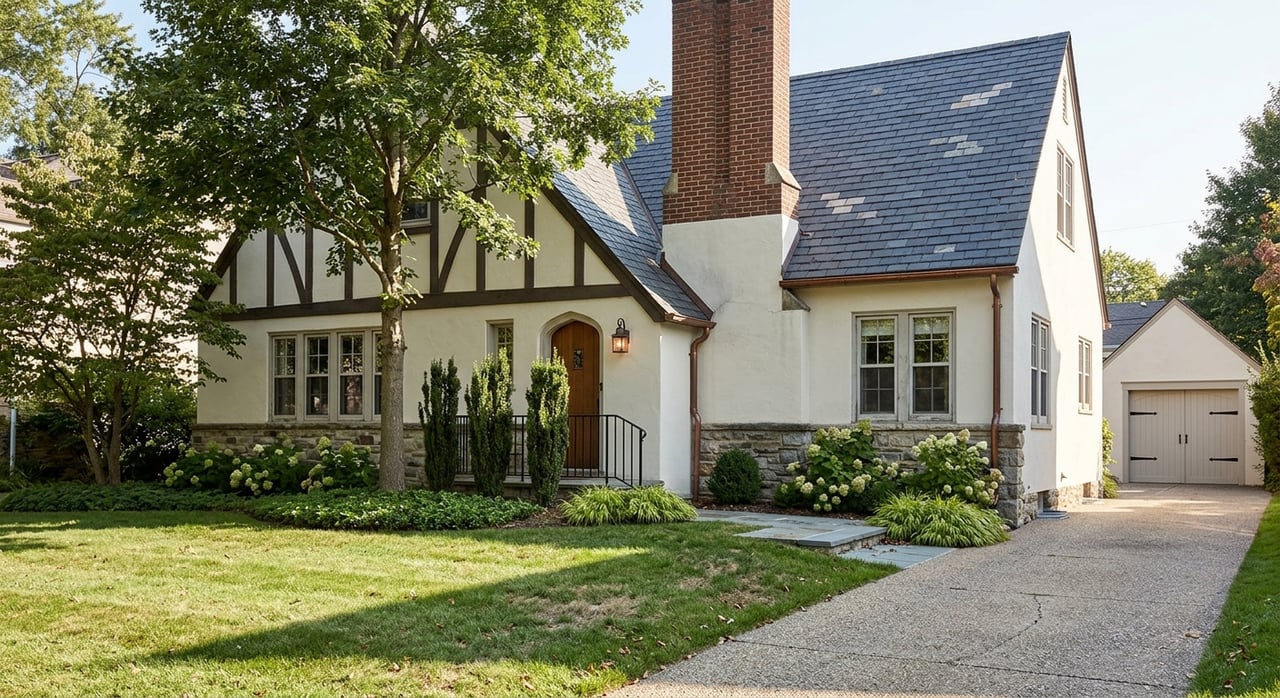
If you are drawn to Wawaset Park, you are probably choosing more than a house. You are choosing a certain kind of street layout, architectural character, and day-to-day upkeep. That can feel exciting and a little overwhelming, especially when two homes in the same neighborhood can live very differently. This guide will help you compare the main home styles in Wawaset Park, understand how exterior rules may affect your plans, and ask smarter questions before you buy. Let’s dive in.
Why Wawaset Park Feels Different
Wawaset Park was a DuPont-planned neighborhood developed around 1918 on about 50 acres with 207 homes. About half were built in 1918 to 1919, and the rest came in the late 1920s. Instead of a strict street grid, the neighborhood was planned with curving roads, setbacks, and open space, which still shapes how the area feels today.
According to the Wawaset Park neighborhood history, the district includes a deliberate mix of housing types and architectural styles. You will see Georgian, English Tudor or Tudor Revival, Dutch Colonial, French Revival, and Gothic elements, along with attached, semi-detached, and detached homes. That variety is one reason buyers often need to think carefully about what kind of home style fits their lifestyle best.
Compare the Main Home Types
In Wawaset Park, the biggest choice is often not just architectural style. It is also the structure type, lot size, parking setup, and how much exterior maintenance you want to take on.
Attached homes and twins
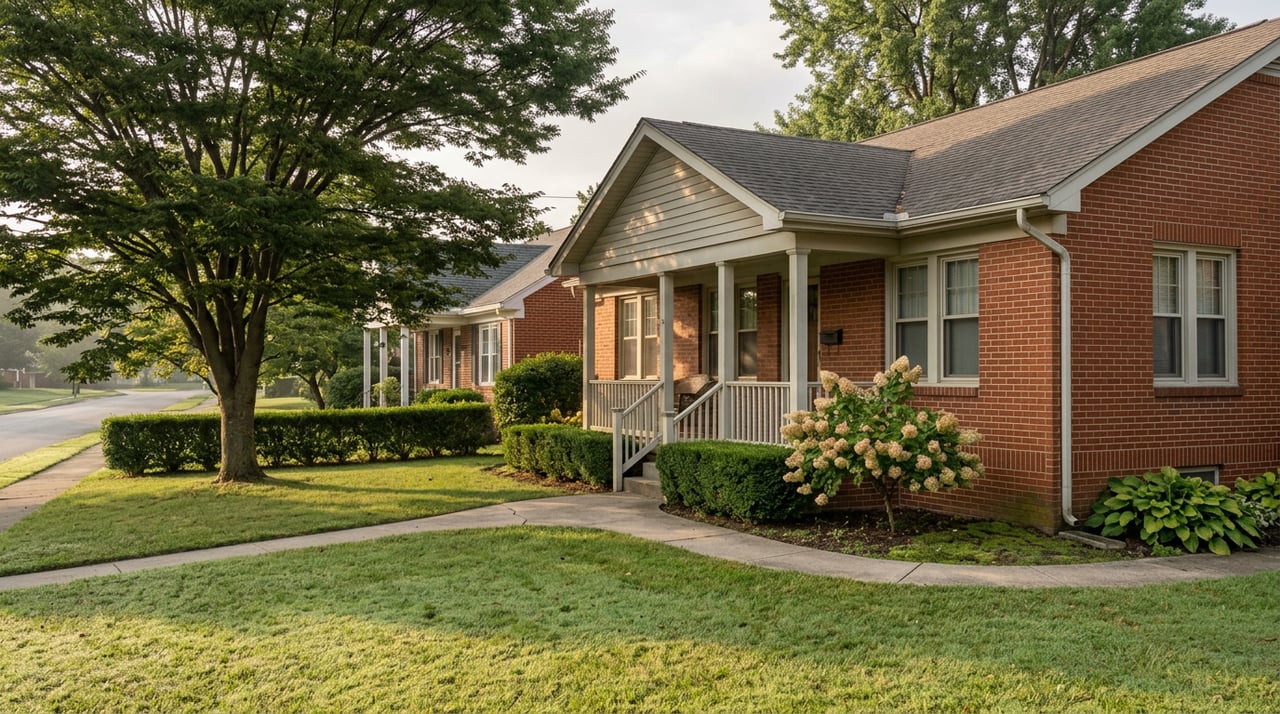
Wawaset Park includes townhouse, twin, semi-detached, group-house, and apartment forms as part of its original fabric. Recent examples cited in the historic record and listings include smaller lots around 3,000 to 4,000 square feet, with some homes offering detached garages or a couple of off-street parking spaces.
For many buyers, these homes offer a strong balance of charm and manageable upkeep. You may give up some yard space and future expansion flexibility, but you often gain a smaller exterior footprint to maintain.
Mid-size detached homes
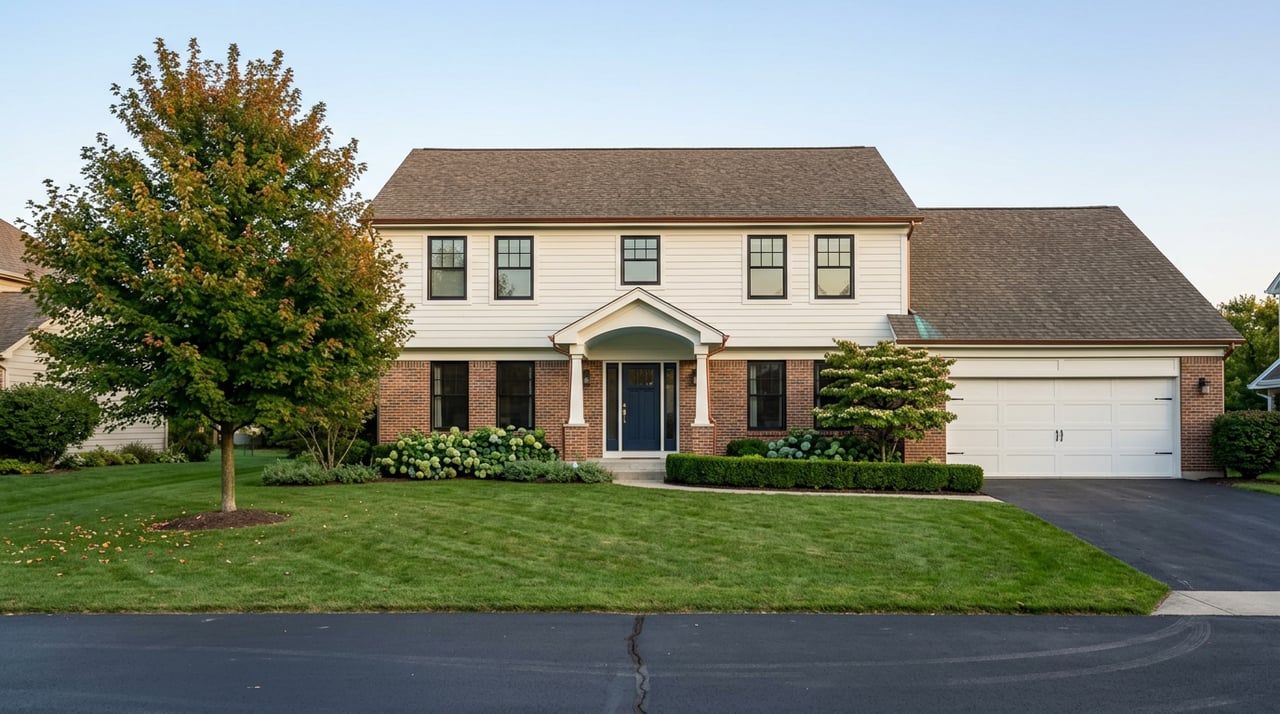
Detached homes in the neighborhood often sit on lots in the roughly 0.21 to 0.32-acre range. Listing examples in the research show these homes typically pair more indoor space with one- or two-car garages and driveway parking.
If you want more separation from neighbors and more room inside, this category may be the sweet spot. It can also work well if you need a home office, guest room, or a little more storage without stepping into the largest homes in the neighborhood.
Larger detached and corner-lot homes
Some of the biggest Wawaset Park homes offer larger footprints, bigger yards, and stronger parking capacity. Research examples include a Tudor on a 9,583-square-foot lot and another detached home on a 0.36-acre lot with six bedrooms, 5.5 baths, and a two-car garage.
These properties may give you more flexibility for daily living, entertaining, or long-term space needs. The tradeoff is simple: more house and more exterior usually mean more maintenance and potentially higher costs when updates are needed.
Architectural Style Matters Too
Home style in Wawaset Park is not just about curb appeal. It can affect maintenance decisions, replacement materials, and how easily you can make future exterior changes.
Tudor and revival-style homes
Tudor and Tudor Revival homes can be some of the most visually distinctive properties in Wawaset Park. The neighborhood association’s design guidance notes that Tudor homes are expected to retain casement-style windows, which means replacement decisions are tied closely to preserving the home’s original character.
If you love architectural detail, this style may be especially appealing. But it is wise to go in with clear expectations, because historically compatible updates can be more specific and more expensive than standard replacement work.
Colonial and Georgian influences
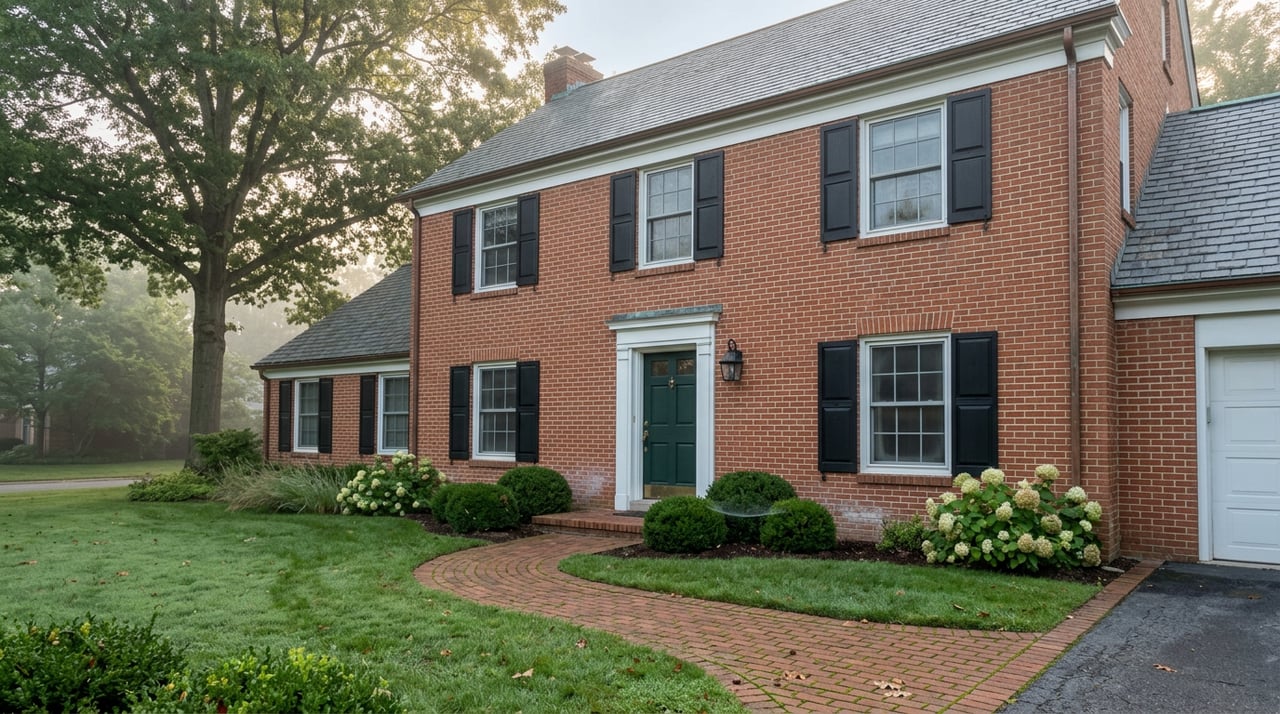
Colonial and Georgian-influenced homes often appeal to buyers who want symmetry, brick exteriors, and a more classic layout. The neighborhood guidance notes that colonial homes typically use double-hung sash windows, another example of how style identity connects to exterior materials and future project planning.
These homes can offer a timeless look and broad buyer appeal. They still require care, but some buyers find the design language more familiar when planning repairs or improvements.
Dutch Colonial, French Revival, and Gothic details
Wawaset Park also includes Dutch Colonial, French Revival, and Gothic elements, which add to the neighborhood’s layered architectural character. In practical terms, homes with more distinctive detailing may need extra attention when you evaluate rooflines, masonry, trim, and windows.
That does not mean these homes are harder to own. It just means you should treat style as part of your budgeting and planning from day one.
What Interiors Often Include
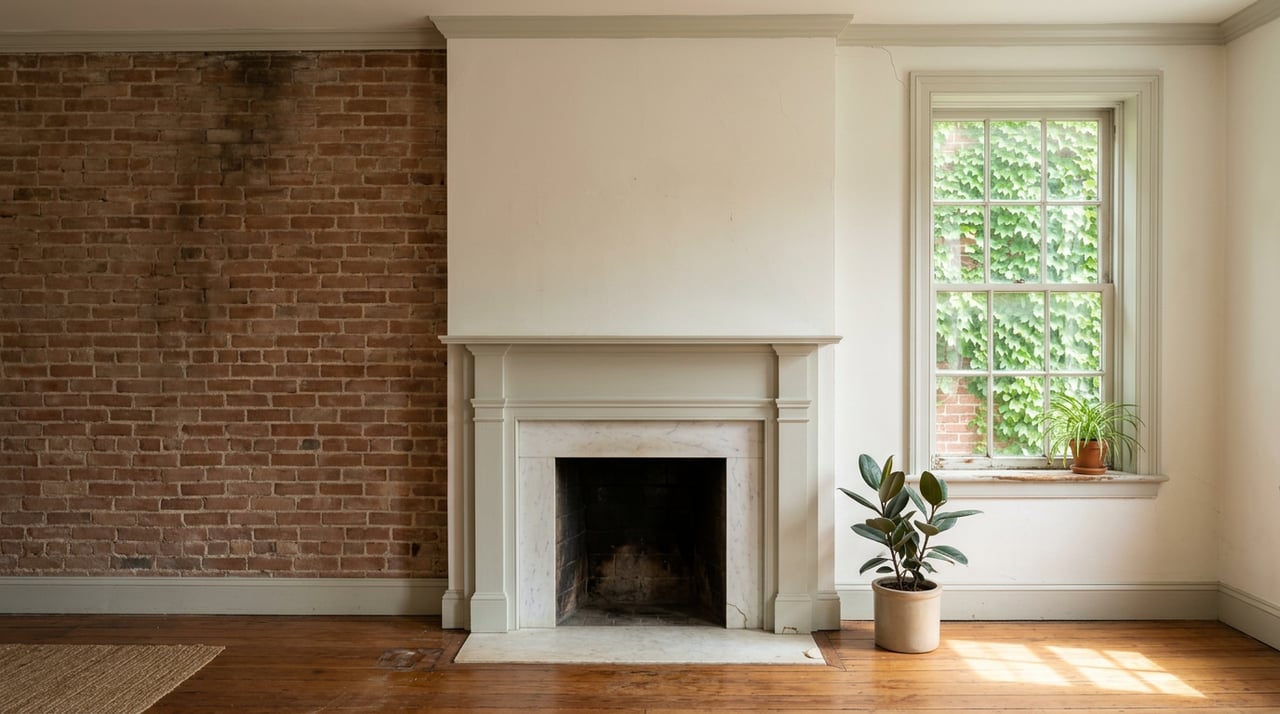
Many Wawaset Park homes blend original character with modern updates. Representative listings cited in the research commonly mention hardwood floors, built-ins, fireplaces, crown molding, arched doors, finished basements, and renovated kitchens.
Some homes also include third-floor rooms or office space, which can make a real difference if you work from home or need flexible guest space. When you tour homes here, it helps to look beyond square footage and focus on how the existing layout supports your daily routine.
Exterior Rules Can Shape Your Decision
One of the most important buying considerations in Wawaset Park is not whether the neighborhood is on the National Register. According to the National Park Service FAQ on National Register status, listing itself does not impose federal restrictions on a private owner.
The more practical issue is local deed-based review. The Wawaset Park architecture and design specifications state that exterior changes must be submitted to the Wawaset Maintenance Corporation, with review covering items such as the house, garage, porch, retaining walls, roof, sheds, and even playground equipment.
What requires review
The association says cosmetic exterior changes need architectural review, while footprint changes require trustee approval. It also notes that a two- to four-week review period is reasonable for most applications.
Interior work that does not affect the exterior is not currently reviewed. That distinction is important if you want to renovate kitchens, baths, or interior layouts while keeping the outside appearance largely intact.
Materials and design limits
Published guidelines favor keeping the original look of the homes. The rules prohibit vinyl windows, vinyl siding, plastic fences, plastic trim, and corrugated roofing, while allowing historically compatible materials such as brick, stone, stucco, cedar, slate, synthetic slate, and approved asphalt products.
For garages, the standards also matter. Free-standing garages are expected to match the main house in material and color, and new garages require a masonry base.
Match Your Home Style to Your Lifestyle
The best home style for you depends on what you value most in daily life. In Wawaset Park, that usually comes down to four things: maintenance, parking, space, and future flexibility.
Choose attached homes if you want less exterior upkeep
Attached and semi-detached homes may be a good fit if you want historic character with a smaller maintenance footprint. They can make sense for buyers who prefer less yard work and do not need a large amount of off-street parking.
That said, it is still important to verify the real parking setup. Historic planning patterns and later property changes can mean that garage access and driveway usability vary more than you might expect.
Choose detached homes if you want more room
Detached homes usually offer more land, more separation, and often better garage or driveway options. If your priorities include a larger yard, more bedrooms, or better long-term flexibility, detached homes may be worth the added maintenance.
This can be especially important if you are thinking ahead to work-from-home needs, hobbies, guests, or storage. More space can solve a lot of problems, but only if the ongoing upkeep fits your budget and schedule.
Choose highly original homes if character is your top priority
If original design details matter most to you, Wawaset Park offers many compelling options. Just remember that preserving architectural character often means more specific rules for windows, roofing, and exterior materials.
In other words, charm and project flexibility do not always move in the same direction. The more original the exterior, the more carefully you will want to review any future update plans.
Questions to Ask Before You Buy
As you tour homes in Wawaset Park, use a practical checklist. It can help you compare homes more clearly, especially when properties look similar online but function very differently in person.
Ask these questions:
- What is the home’s original type, and what was added later?
- How much parking is truly usable today?
- What exterior materials are on the roof, windows, siding, and garage?
- Have exterior changes already been approved where required?
- Is the lot size enough for your long-term plans?
- Are there recurring association or maintenance charges tied to this specific property?
These questions can help you avoid surprises after closing. They also make it easier to weigh one home against another based on how you actually plan to live.
A Smart Way to Narrow Your Search
If you are deciding between home styles in Wawaset Park, start with the practical side before the emotional side. Make a short list of your must-haves for parking, outdoor space, maintenance level, and renovation goals.
Then compare those needs against the home’s structure type and architectural style. A beautiful Tudor or brick Colonial may be exactly right for you, but the best fit is the one that matches both your taste and your plans for ownership.
If you want help comparing homes in Wawaset Park or anywhere nearby in Wilmington, connect with Harrison Properties Ltd. You will get local guidance, clear next steps, and practical advice tailored to how you want to live.
FAQs
What home styles are common in Wawaset Park Wilmington?
- Wawaset Park includes Georgian, English Tudor or Tudor Revival, Dutch Colonial, French Revival, and Gothic elements across attached, semi-detached, and detached homes.
What should buyers know about exterior changes in Wawaset Park Wilmington?
- Exterior changes must be submitted to the Wawaset Maintenance Corporation, and the published guidelines say many cosmetic exterior updates require review before work begins.
What are the differences between attached and detached homes in Wawaset Park Wilmington?
- Attached homes usually offer less land and a smaller exterior maintenance footprint, while detached homes often provide more yard space, parking, and practical flexibility.
Does National Register status restrict private homeowners in Wawaset Park Wilmington?
- According to the National Park Service, National Register listing itself does not impose federal restrictions on a private owner.
What interior features do buyers often find in Wawaset Park Wilmington homes?
- Representative listings commonly show hardwood floors, built-ins, fireplaces, crown molding, arched doors, finished basements, renovated kitchens, and sometimes third-floor or office space.