Love the idea of a classic Wilmington rowhouse steps from coffee, dining, and parks? If you are eyeing Forty Acres for your first home, you are in good company. The neighborhood blends character, walkability, and city access in a way that is hard to beat. In this guide, you will learn what to expect from the homes here, how to budget smartly, what to watch for during inspections, and how to craft a strong, safe offer. Let’s dive in.
Why Forty Acres works for first-time buyers
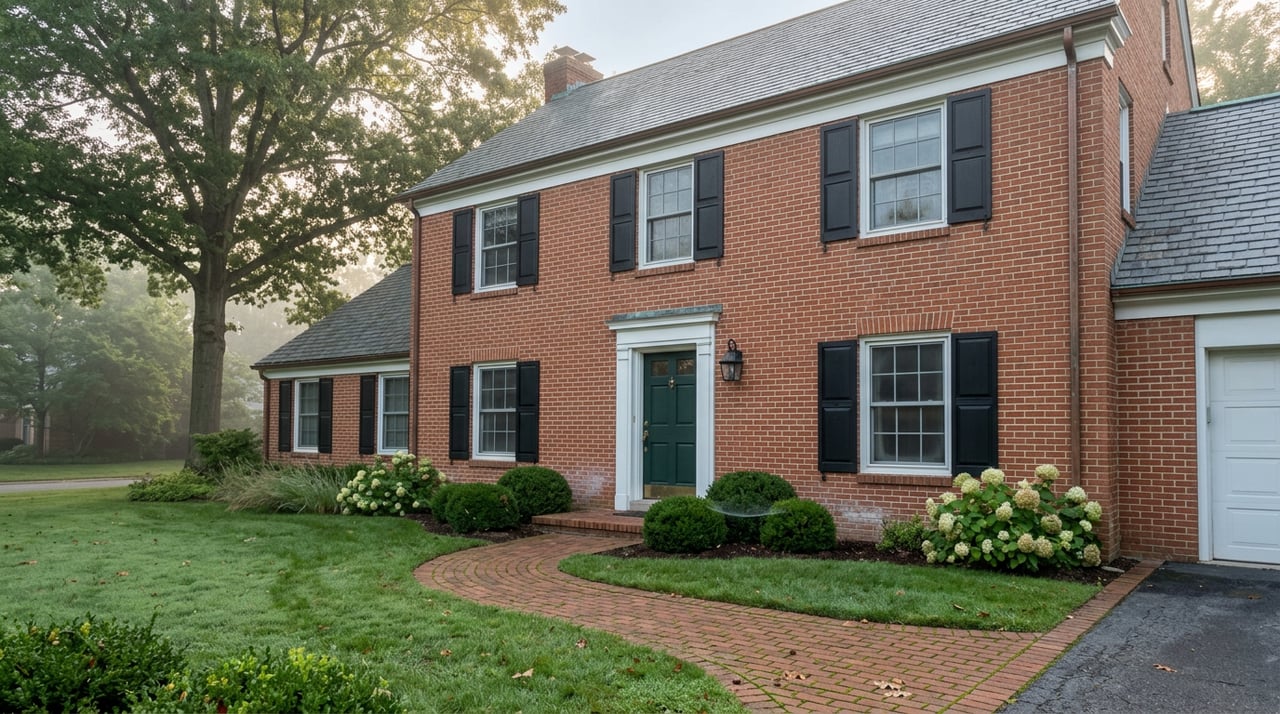
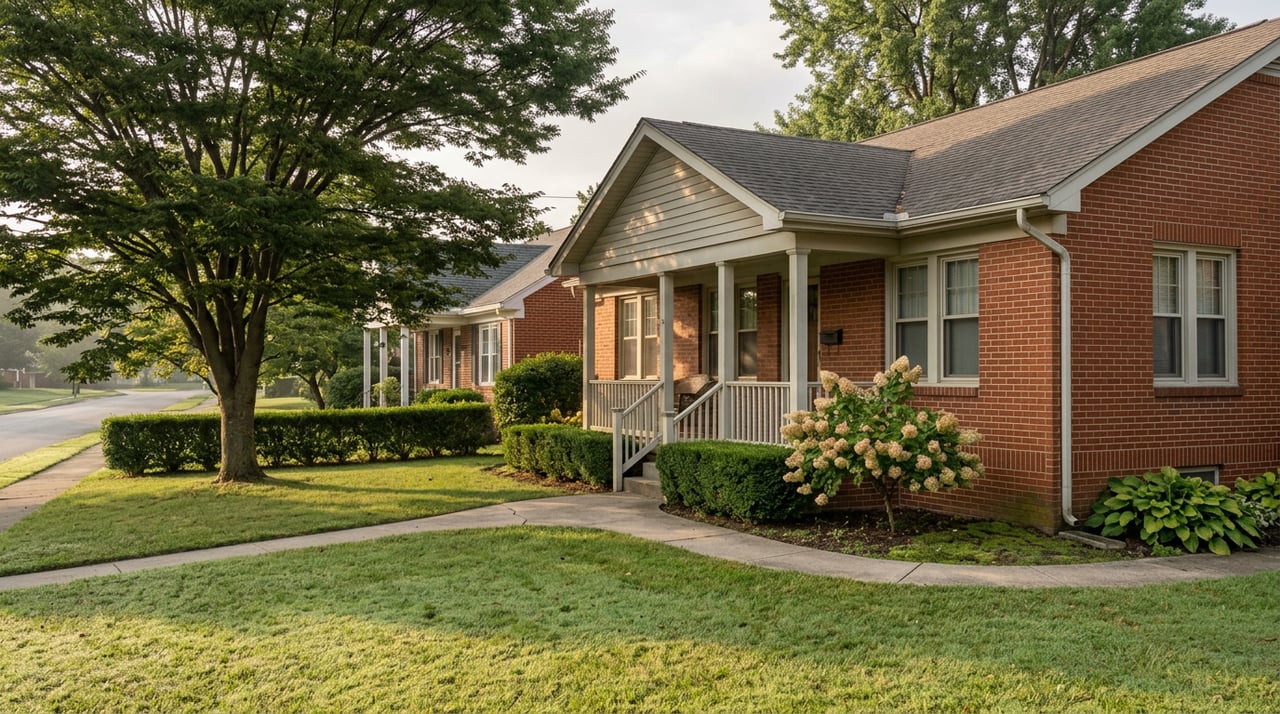
Forty Acres is a compact, historically built streetcar suburb defined by red brick rowhouses and semi‑detached twins on tight, walkable blocks. Many homes show late‑Victorian character with high ceilings and original millwork. If you value convenience and neighborhood feel, you will appreciate how close Forty Acres sits to Trolley Square’s restaurants, shops, and services.
You can cover daily needs on foot, which is a standout perk for new homeowners watching monthly costs. Forty Acres is consistently described as one of Wilmington’s more walkable areas, with dining and errands nearby. You can confirm the area’s walkability using the neighborhood’s listing on Walk Score.
One more key feature to know up front. Forty Acres was designated Wilmington’s first Neighborhood Conservation District in 2004. If you plan any exterior updates visible from the street, review the city’s Neighborhood Conservation District guidance and contact Wilmington Land Use and Planning early in your process.
What the homes are like
Most Forty Acres properties were built in the late 19th and early 20th centuries. You will see two‑ and three‑story brick rowhouses and semi‑detached twins with traditional layouts. Expect parlor or living rooms up front, dining rooms in the middle, and compact kitchens that open to small rear yards or alley access.
Common features include:
- Narrow, deep lots and shared party walls
- Basements, often unfinished, and attics with lower head height
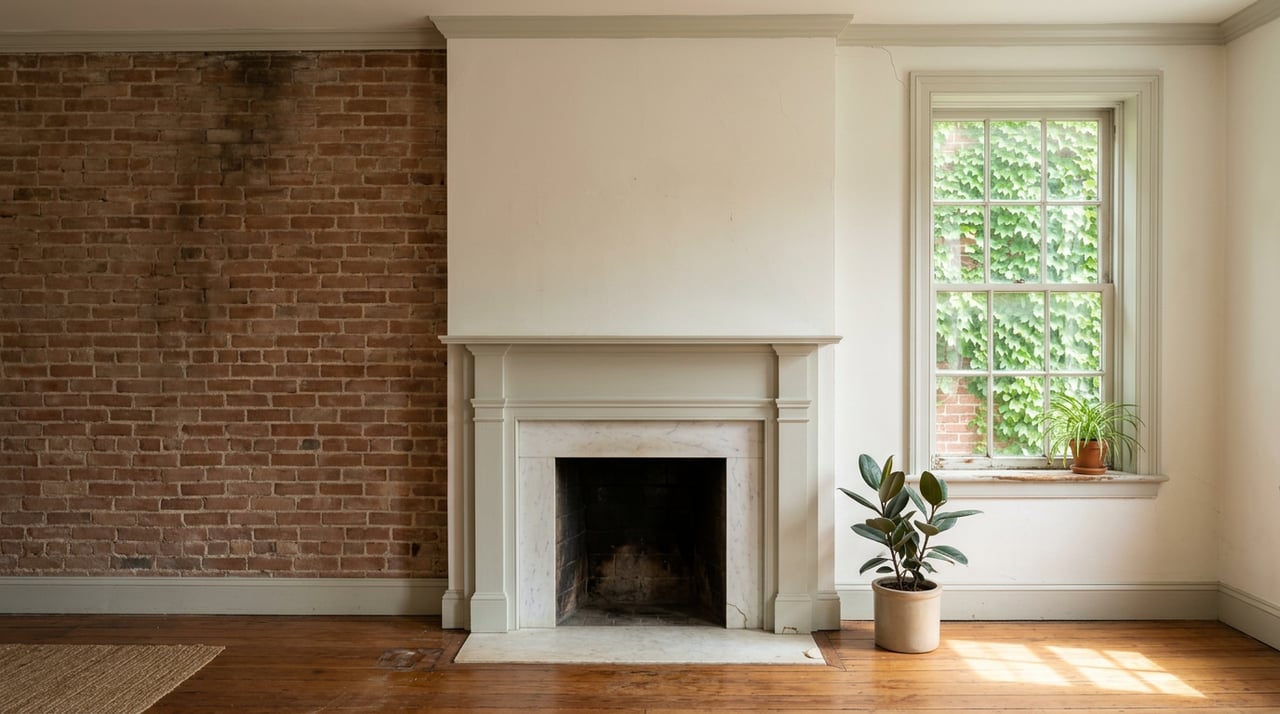
- Original details like wood trim, plaster, and pocket doors that may be intact or altered over time
- Mechanical systems updated in stages, so ages and efficiency can vary home to home
The charm is real, but older homes usually require focused maintenance. Balance your love of character with a plan for energy upgrades and system updates where needed.
Inspections: what to look for first
Older urban rowhouses often reveal a common set of findings. Use this checklist to focus your due diligence. Many items below align with best practices in professional home inspection checklists.
Masonry, brick, and mortar
Inspectors often note spalled brick and deteriorated mortar that may require tuckpointing. Also check chimney crowns and flashing around roof penetrations. Compromised masonry lets water in, which can accelerate interior damage. If the brickwork looks tired, get a masonry estimate before you finalize negotiations.
Roofs, gutters, and flashing
Aging shingles, worn flashing, and clogged gutters are common in older homes. Roof and flashing failures can lead to leaks and hidden interior repairs. Ask for the roof’s age, visible condition, and any recent maintenance.
Foundations, basements, and drainage
Look for moisture staining, efflorescence on masonry walls, and grading that sends water toward the home. Old stone or brick foundations can show hairline cracks or minor settlement. Significant movement or active water entry may call for a specialist’s evaluation.
Plumbing and water supply
Galvanized supply lines and cast‑iron drains are frequent in older stock. These systems can restrict flow and lead to slow drains or leaks. Document pipe materials, water pressure, and water heater age. If the home has galvanized lines or multiple plumbing issues, consider a licensed plumber’s scope, which is a standard add‑on in older homes. Guidance on common century‑home plumbing issues is summarized in this inspection overview for older homes.
Electrical systems and panels
Findings can include undersized service, older knob‑and‑tube or cloth‑insulated wiring, or obsolete panels. Ensure GFCIs are present where needed and that visible wiring and grounding look proper. If you see older wiring types, bring in a licensed electrician for a deeper look.
Heating systems and HVAC
Older boilers or furnaces may be near end of life. Ask for equipment age, fuel type, service history, and documentation of recent maintenance. If the system is older, budget for upgrades to improve comfort and efficiency.
Windows, insulation, and energy performance
Single‑pane wood windows and limited attic insulation are common. Check window condition, presence of storms or replacements, and attic insulation levels. Plan for weather‑stripping, targeted insulation, and, if needed, selective window improvements to manage comfort and utility costs.
Environmental items: lead paint, service lines, and asbestos
Homes built before 1978 may have lead‑based paint. Delaware regulations require safe work practices in certain settings. Learn more about state rules through this summary of Delaware lead regulations. If you are planning interior renovations, testing before disturbance is wise.
Wilmington is also inventorying water service line materials and running a lead reduction program. Check your address in the Wilmington Water service line inventory and consider testing or filtered fixtures until materials are confirmed or replaced.
Asbestos can be present in older insulation, floor tiles, or textured ceilings. Testing before disturbance and using licensed contractors is the safe route. See the same older‑home inspection overview for typical materials and next steps.
Sewer laterals
In older neighborhoods, sewer laterals may be clay or cast iron and can develop root intrusion or low spots. A sewer scope is a smart add‑on during inspections. For context on why scopes matter, review this sewer‑scope explainer.
Pests and moisture‑related mold
Termites, carpenter ants, and moisture‑driven mold can appear in some basements and wood elements. If your general inspection flags concerns, bring in pest or mold specialists and get written estimates.
Budgeting for year one and beyond
A useful starting guideline is to set aside about 1 percent of your purchase price per year for routine maintenance. For older homes or properties with deferred work, plan for 1 to 3 percent. This is only a frame of reference. Your inspection and contractor bids should drive your final numbers.
Turn your inspection report into a 3‑year plan:
- Immediate safety and function: electrical hazards, active leaks, failed GFCIs, and gas or chimney safety items
- Short‑term stabilization: roof patching, gutter fixes, grading, boiler or furnace servicing, minor masonry repairs
- Mid‑term investments: tuckpointing larger sections, selective window projects, full repipes or panel upgrades, attic insulation
Big‑ticket items to ask about and price out include roof replacement, masonry repointing, chimney repairs, sewer lateral repair or replacement, boiler or furnace replacement, and whole‑house repiping from galvanized to copper or PEX. Get at least two estimates for each major item. If needed, use seller credits, escrow holdbacks, or repair allowances to get the work done without delaying closing.
To build a clearer monthly picture, request recent utility bills and the current property tax bill from the seller. This helps you confirm carrying costs before you finalize your offer.
How to make a strong, safe offer in Forty Acres
Get fully pre‑approved and ask about assistance
A verified pre‑approval tells sellers your financing is real and your closing will be smooth. If you are a first‑time buyer, explore Delaware State Housing Authority programs. The state recently highlighted expanded options for first‑time and repeat buyers in its DSHA program update. Work with a DSHA‑approved lender to see what fits.
Work with a local agent who knows the blocks
Forty Acres and nearby Trolley Square have micro‑location factors and varied condition levels that affect price. A local agent can help you read recent sales, gauge competition, and decide if tactics like escalation clauses make sense right now.
Keep smart contingencies
- Inspection contingency: keep it, and move fast. Order add‑on scopes like sewer, electrician, or plumber when the primary inspection flags issues.
- Financing contingency: keep it unless you are paying all cash.
- Title and closing: Delaware closings typically involve an attorney. Budget for those fees early.
Competitive tactics to consider
- Larger earnest money or a shorter inspection period can show commitment while keeping your safety net.
- An escalation clause can help in multiple‑offer scenarios. Cap it at a level you are comfortable with.
- Limited appraisal gap coverage can reduce risk if values are moving faster than appraisals.
Repairs, credits, and timing
If inspections uncover medium‑term items like aging shingles or repointing needs, consider asking for a seller credit or an escrow holdback rather than extending closing. For clear safety issues like active electrical hazards or leaks, request remediation prior to closing or verified funds held for repairs. Use written contractor estimates to support your requests.
Plan for the Delaware closing process
Expect attorney involvement for document review and closing coordination in Delaware. This is customary and helps protect your interests. For a quick primer on when attorneys participate and how fees work, see this overview of real estate attorney roles.
Your pre‑offer and inspection add‑on checklist
Use this quick list to stay organized:
Before you shop
- Full pre‑approval from a lender familiar with DSHA and local programs
- A conversation about your monthly comfort range, including taxes and insurance
Before you offer
- Review recent comparable sales and likely competition with your agent
- Request recent property tax and utility bills from the seller
- Review the Neighborhood Conservation District guidance if you plan exterior changes
During inspections
- General home inspection focused on roof, masonry, drainage, electrical, and plumbing
- Add sewer scope, electrician, and plumber assessments if flagged
- Consider lead paint testing for pre‑1978 interiors and check the Wilmington Water service line inventory
- Price out any big‑ticket items with at least two estimates
After inspections
- Decide on credits, repairs, or escrow based on safety, timing, and cost
- Confirm your 3‑year maintenance plan and reserve fund target
The bottom line for first‑time buyers
Forty Acres gives you historic character, walkable convenience, and quick access to Wilmington destinations. If you pair a careful inspection process with a realistic budget and a strong, well‑protected offer, you can buy with confidence. When you are ready to take the next step, work with a local team that knows these blocks and the details that matter at closing.
If you want a clear plan for your Forty Acres purchase, reach out to Harrison Properties Ltd. We can help you compare homes, line up inspections, and negotiate with confidence.
FAQs
Are Forty Acres rowhouses usually move‑in ready or fixer‑uppers?
- Inventory varies. You will find updated, turnkey homes as well as properties with deferred maintenance. Plan on a full inspection and be ready to price out system upgrades if the home still has older components.
Should first‑time buyers worry about lead paint or water lines in Forty Acres?
- For pre‑1978 homes, assume lead paint may be present and use certified practices for any disturbance. Also check the city’s service line inventory to confirm water line materials and consider testing or filtration until confirmed.
How much should I budget for maintenance in my first year?
- A common starting point is 1 percent of the home’s price, with 2 to 3 percent for older homes or if inspections show deferred work. Use your inspector’s findings and contractor bids to refine your plan.
Who handles the closing process in Delaware?
- Delaware closings typically involve a real estate attorney. Expect attorney coordination for title review and document signing and budget for those fees early in your timeline.