If you own or are thinking about buying a rental property in Pike Creek, you are not stepping into a high-churn apartment market. You are entering a more stable suburban area where presentation, maintenance, pricing, and Delaware compliance can have a big impact on your results. Whether you are a first-time landlord or adding another property to your portfolio, understanding how this market works can help you protect income and avoid preventable problems. Let’s dive in.
Why Pike Creek Stands Out
Pike Creek has the profile of a steady, owner-occupied suburban market. According to the U.S. Census Bureau QuickFacts for Pike Creek, the area has an 87.5% owner-occupied housing rate, a median owner-occupied home value of $422,500, a median gross rent of $2,262, and a median household income of $139,635.
Those numbers matter because they point to a rental market where tenants may expect well-kept homes, reliable communication, and a smooth leasing process. The same Census data also shows a 29-minute mean commute, 97.4% of households with broadband, and 91.6% of residents living in the same home one year earlier, which suggests that convenience, internet access, and stability are likely important to renters.
Rental Types in Pike Creek
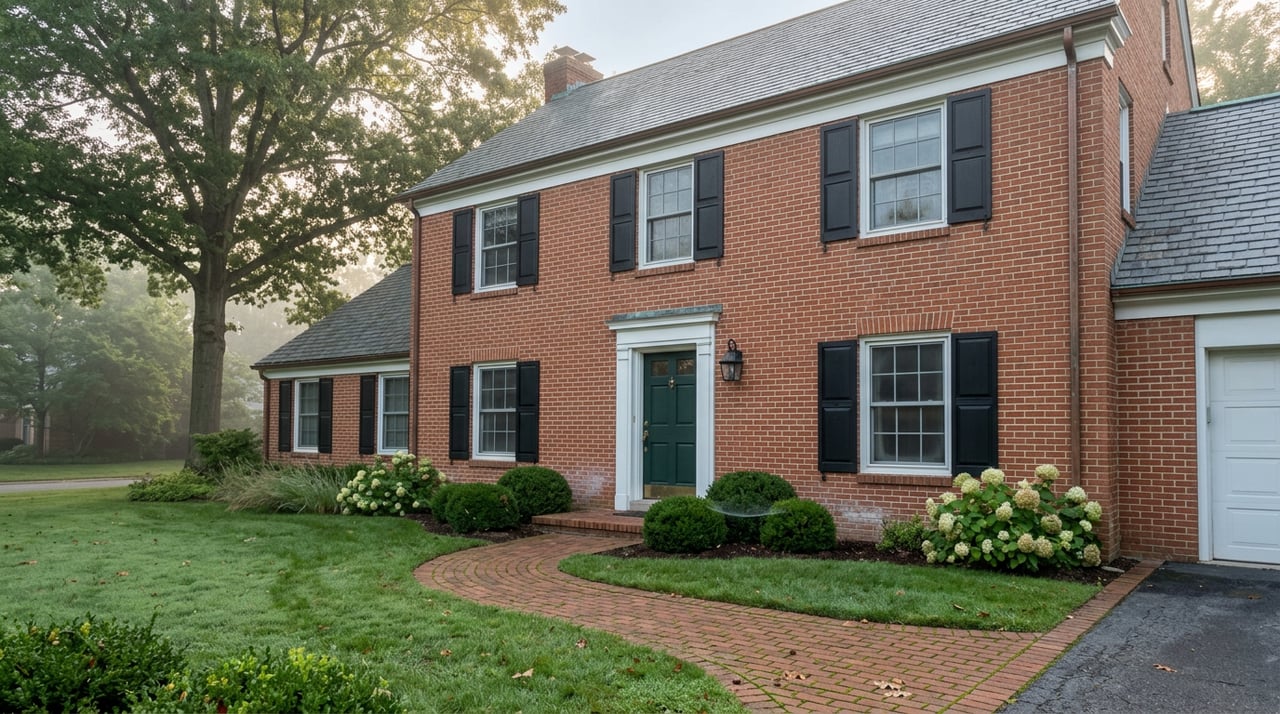
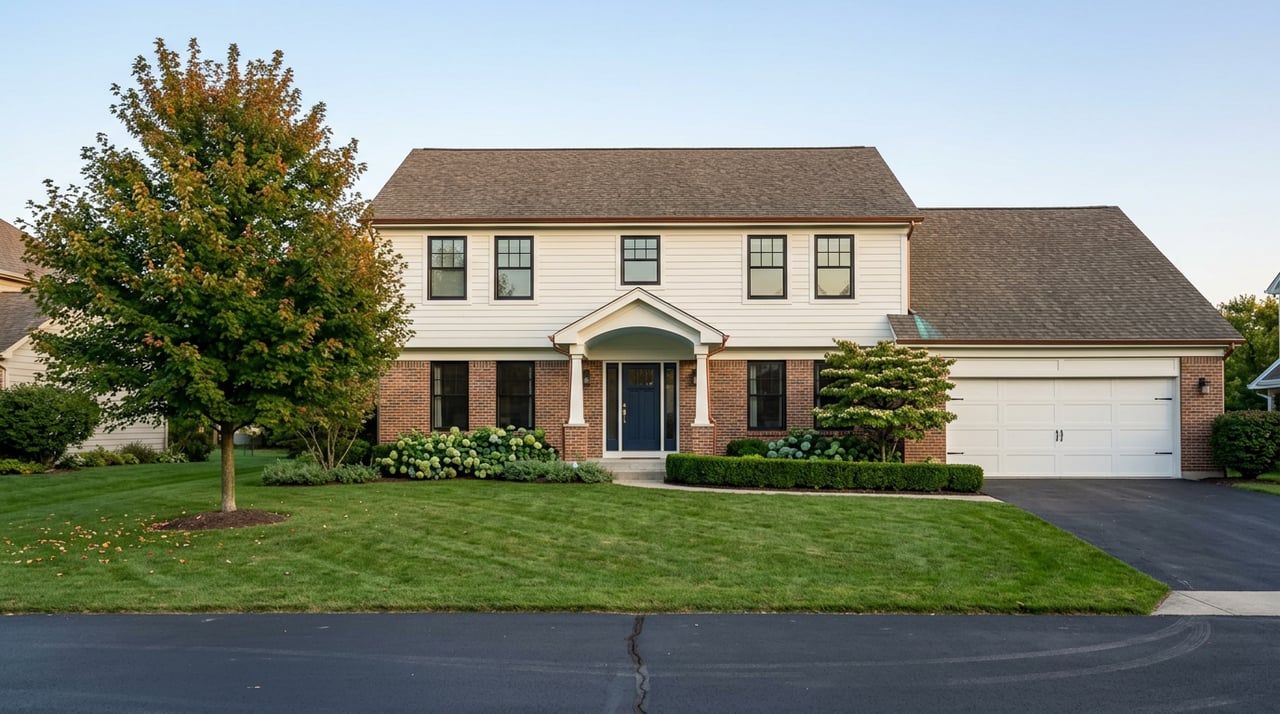
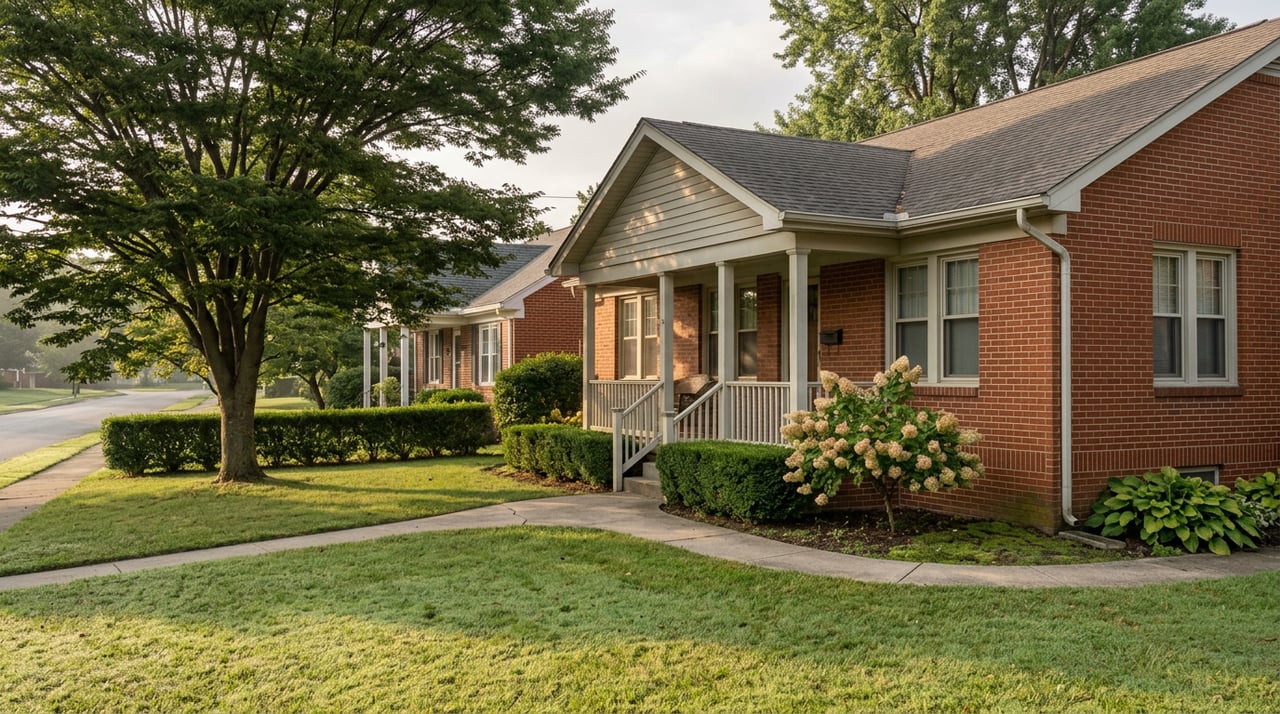
Current Pike Creek rental inventory shows a relatively small supply, with 14 rentals visible at the time of the research. The listings lean heavily toward townhomes, houses, and a smaller number of apartments, with many properties offering 2 to 3 bedrooms and roughly 1,375 to 2,400 square feet.
That product mix affects how you should think as an owner. In Pike Creek, attached homes and single-family rentals may bring more tenant attention to parking, storage, exterior upkeep, and any condo or HOA rules than you might see in a more urban apartment-heavy market.
What Tenants Often Notice First
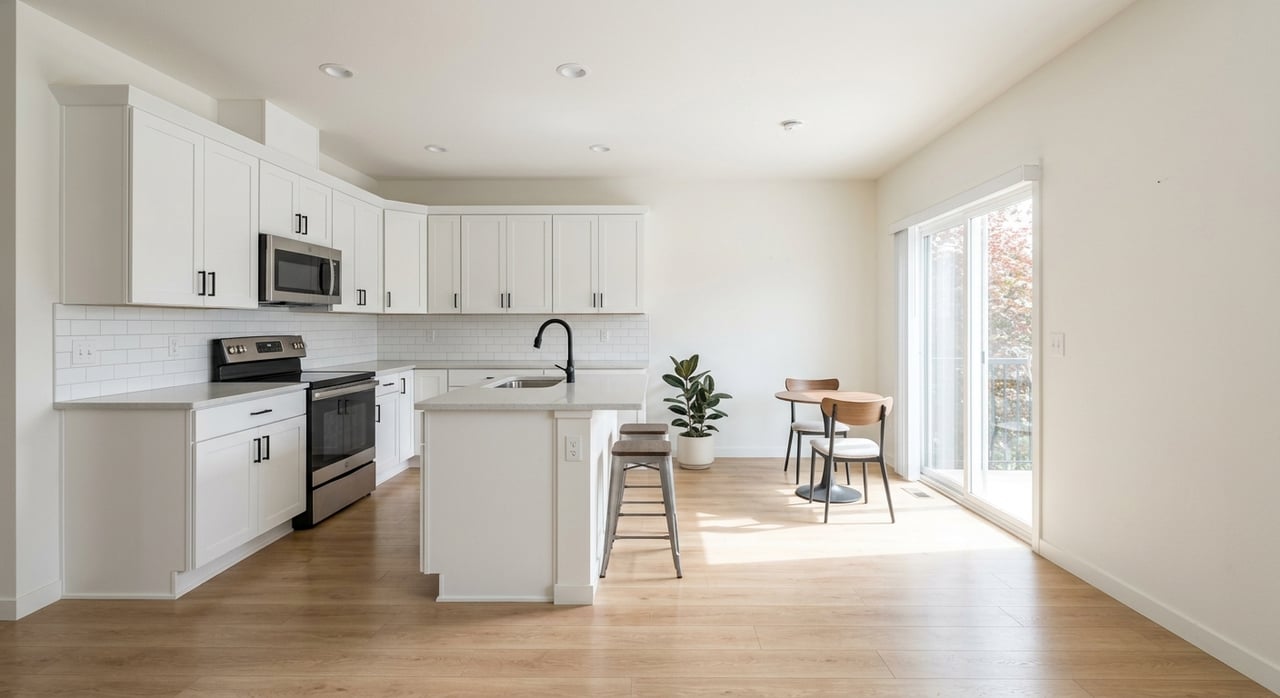
Based on the local inventory and market context, tenants in Pike Creek are likely to focus on practical, everyday features such as:
- Move-in-ready condition
- Responsive maintenance
- Functional parking
- Pet-friendly options where allowed
- Space that works for daily routines
- Reliable internet access
Because 26.2% of Pike Creek residents speak a language other than English at home, using plain-language lease packets and organized move-in instructions can also make the rental experience smoother for everyone, according to Census data.
How to Budget a Pike Creek Rental
Owning rental property is not just about collecting rent. A strong operating budget should account for both expected monthly costs and irregular turnover or repair expenses.
The IRS outlines common rental expenses in Publication 527, including:
- Advertising
- Cleaning and maintenance
- Commissions
- Depreciation
- Insurance
- Interest and mortgage interest
- Legal and professional fees
- Management fees
- Repairs
- Taxes
- Utilities
The IRS also notes that rental expenses generally begin when the property is made available for rent. That is an important distinction if you are converting a former primary residence into a rental.
Property Taxes and Carrying Costs
In Pike Creek, tax planning should be specific to the parcel, not based on a rough estimate. New Castle County states that the FY2026 residential property tax rate for unincorporated county areas is $0.1575 per $100 of assessed value, and tax bills may also include property tax, local school tax, and sometimes light or crossing-guard items.
If your rental is in a condo or townhome community, you may also have association dues or maintenance assessments. In a market where attached homes make up a notable part of the rental inventory, that can be a meaningful line item in your pro forma.
Utilities Matter More Than Many Owners Expect
Utility billing is another area where details matter. Under Delaware landlord-tenant law, separate utility billing is allowed only when service is separately metered, and a landlord may not charge more than the actual cost when billing separately.
If you plan to include utilities in rent, you should build that into your monthly operating budget from the start. This is especially important if you want predictable cash flow and fewer surprises.
Delaware Lease Rules You Need to Know
A profitable rental can quickly become stressful if lease administration is sloppy. Delaware has clear rules that landlords need to follow, and those timelines are a big reason organized management matters.
According to Delaware’s landlord-tenant code, a rental agreement must include the name and business address of the landlord or resident agent, and the tenant must receive a free copy of any written rental agreement. If the lease term is longer than one year, it is effective only if it is in writing.
Notice Periods Are Important
Delaware stands out because notice timing is strict. For fixed-term leases, either party generally must give at least 60 days’ written notice before expiration. Month-to-month tenancies also generally require 60 days’ written notice, and proposed renewals with changed terms require the same timing under Delaware code.
If you miss these deadlines, you can create unnecessary confusion around renewals, move-outs, and rent changes. That is one reason many landlords benefit from a more systemized process.
Required Move-In Documents
New tenants must receive the Attorney General’s summary of the Residential Landlord-Tenant Code at the beginning of the rental term under Delaware law. This means lease-up is more than collecting signatures. It is a compliance process that needs documentation.
For homes built before 1978, federal lead disclosure requirements may also apply before lease execution. If you own an older Pike Creek property, that can affect turnover planning and paperwork.
Security Deposits and Application Fees
Security deposit rules in Delaware are specific, and owners should treat them carefully. Under Delaware code, for leases of one year or longer, the security deposit generally cannot exceed one month’s rent. The deposit must be kept in a federally insured escrow account in Delaware, and the landlord generally must provide an itemized damage list and any remaining balance within 20 days after termination.
Delaware also caps pet deposits at one month’s rent. On the front end of leasing, application fees are limited to the greater of 10% of one month’s rent or $50, and the law generally prohibits nonrefundable fees as a condition of occupancy, except for optional service fees for actual services rendered.
These rules affect screening, move-in collections, and move-out accounting. If your systems are not tight, small mistakes can turn into bigger headaches.
Maintenance Is Part of the Investment
In Pike Creek, tenants are not just renting square footage. They are often renting convenience, functionality, and peace of mind. That is why maintenance response can shape both tenant satisfaction and renewal outcomes.
Under Delaware law, landlords must comply with applicable codes, keep the unit and common areas sanitary, make repairs, maintain supplied systems in good working order, and provide a unit that is safe and fit for its intended use. If hot water, heat, water, or electricity is substantially unavailable for 48 hours or more after notice, tenant remedies can include termination or rent withholding.
In a market like Pike Creek, where neighborhood stability appears stronger than in renter-heavy submarkets, retention may matter more than quick turnover. A clean, well-maintained property with responsive service can support that goal.
Tenant Retention Can Protect Your Returns
Because the area shows signs of stability, reducing vacancy may be just as important as chasing top-line rent. The Census figure showing 91.6% of residents living in the same house one year earlier points to a community where turnover may be lower than in more transient markets.
That makes renewal planning worth your attention. Simple steps can help:
- Start lease review timelines early
- Track Delaware notice deadlines carefully
- Address maintenance issues before renewal discussions
- Provide clear communication about any lease changes
- Keep move-in and move-out records organized
For many owners, these tasks are manageable at first. But as responsibilities pile up, leasing, renewals, repairs, accounting, and compliance can become time-consuming.
When Professional Management Helps
If you are an accidental landlord or a small investor, the biggest risks in Pike Creek may not be dramatic market swings. They are often the everyday operational issues like notice tracking, repair timing, utility handling, security deposit administration, and accurate documentation.
That is where end-to-end management can make a real difference. A process-oriented property management partner can help with pricing, marketing, showings, application screening, Delaware-compliant lease preparation, move-in orientation, maintenance coordination, renewals, move-out inspections, and the security deposit process.
For owners who want less friction and more consistency, working with a local team that understands Wilmington-area rentals and Delaware requirements can save time and reduce avoidable errors.
What to Focus on as a Pike Creek Landlord
If you want to own rental property successfully in Pike Creek, keep your attention on the basics that drive long-term performance:
- Price the property realistically for the local market
- Present the home in clean, move-in-ready condition
- Budget for taxes, maintenance, utilities, and turnover costs
- Follow Delaware lease, notice, and deposit rules carefully
- Treat maintenance and communication as part of the product
- Prioritize retention when you have a good tenant
Pike Creek looks like a market where steady execution matters. A well-maintained home, clear leasing process, and organized management approach can go a long way toward protecting your investment.
If you want help leasing or managing a rental in Pike Creek or the greater Wilmington area, Harrison Properties Ltd offers practical support across the full rental lifecycle, from tenant placement to ongoing property management.
FAQs
What makes owning rental property in Pike Creek different from other rental markets?
- Pike Creek appears to be a more stable, owner-occupied suburban market, so success often depends on condition, maintenance, pricing, and compliance rather than high turnover volume.
What rental property types are most common in Pike Creek?
- Current rental listings show a mix led by townhomes and single-family homes, with fewer apartments and many units offering 2 to 3 bedrooms.
What costs should Pike Creek landlords budget for?
- Common costs include taxes, insurance, repairs, cleaning, advertising, management fees, utilities, professional services, and possible condo or HOA dues.
What Delaware lease rules should Pike Creek landlords understand?
- Delaware requires certain written disclosures, free copies of written leases, specific notice periods, and delivery of the Attorney General’s landlord-tenant code summary at move-in.
What are the security deposit rules for Delaware rental property owners?
- For leases of one year or more, the security deposit generally cannot exceed one month’s rent, must be held in a federally insured Delaware escrow account, and any balance plus an itemized damage list is generally due within 20 days after termination.
Why can professional property management help with a Pike Creek rental?
- Professional management can help streamline leasing, compliance, maintenance coordination, renewals, recordkeeping, and move-out administration in a market where stable operations matter.