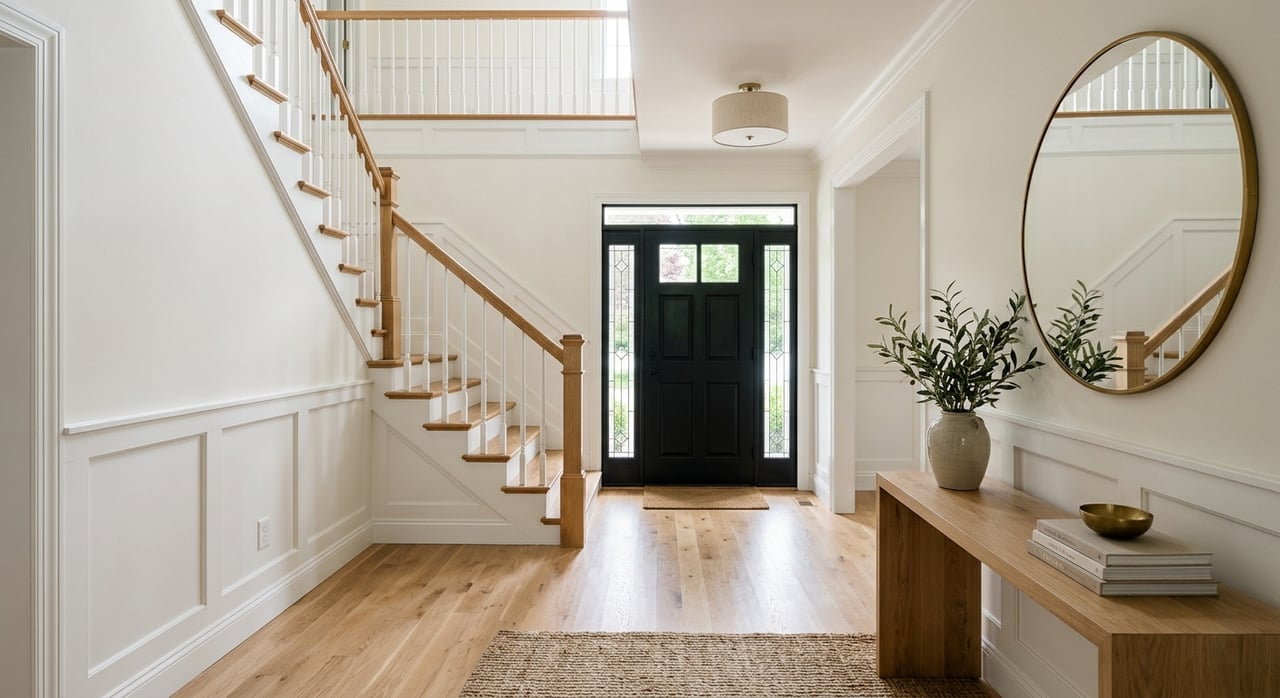
If you are thinking about selling in Greenville, you are not stepping into a typical New Castle County market. You are preparing a home in a higher-price, lower-inventory segment where buyers tend to compare a small number of options closely and notice presentation right away. The good news is that smart prep does not always mean a major renovation. In most cases, it means making the home look well cared for, pricing it with discipline, and launching with strong photos and paperwork ready to go. Let’s dive in.
Why Greenville prep matters more
Greenville should be viewed as a premium submarket, not just another Wilmington-area listing. As of April 2026, Greenville had 13 homes for sale, and ZIP code 19807 showed a median listing price of $1,075,000 and median days on market of 39. By comparison, New Castle County’s March 2026 median listing price was $400,000, with 1,725 homes for sale and median days on market of 29.
What does that mean for you? Buyers in Greenville are likely comparing your home against a narrower set of similarly priced homes, not the county as a whole. In that kind of market, details like paint condition, lighting, landscaping, photography, and pricing can shape buyer interest faster than you might expect.
Start with the visible basics
If you want to prepare efficiently, begin with what buyers will see first online and in person. Research from 2025 found that 46% of buyers are less willing to compromise on home condition when purchasing. That makes visible freshness a practical place to focus.
In many homes, the best pre-list work includes:
- Interior paint
- Patching nail holes or wall damage
- Trim and caulk touch-ups
- Updated light fixtures or bulbs
- Clean hardware and doors
- Exterior cleanup
- Front entry refresh
These are not flashy changes, but they often do more for first impressions than an expensive project buyers may not value the same way you do.
Decide what to fix before listing
You do not need to fix every tiny flaw. You do need to address the issues that show up clearly in photos, stand out at the front door, distract in the kitchen, or raise concern during a showing or inspection.
A simple room-by-room walk-through can help you sort your list. Look for anything that feels deferred, dated, dirty, or obviously broken. If a buyer can see it in a listing photo or notice it within a few minutes of walking in, it belongs near the top of your prep list.
Focus on likely trouble spots
Pay extra attention to:
- Entry doors and front approach
- Kitchen surfaces and fixtures
- Primary bath condition
- Worn flooring or stained carpet
- Peeling paint or cracked trim
- Roof concerns or signs of water intrusion
- Burned-out bulbs and dim rooms
The goal is not perfection. The goal is to remove easy reasons for a buyer to hesitate.
Skip major remodels unless comps justify them
One of the most common seller questions is whether to remodel the kitchen or bath before listing. In most cases, the answer is no unless the room is dated enough to hurt buyer confidence or comparable homes in 19807 show a clearly higher finish level.
Recent remodeling research points to a practical pattern. Projects like painting and front-door improvements often make more resale sense than large, taste-driven renovations. A full kitchen or primary bath remodel can be expensive, time-consuming, and harder to recover if the market does not support it.
When a bigger project may make sense
A larger update may be worth considering if:
- The current condition is clearly below nearby competing homes
- The room has functional problems, not just cosmetic age
- The update can be completed quickly and cleanly
- Your pricing strategy depends on closing a noticeable condition gap
If none of those apply, visible cosmetic improvements are usually the more efficient move.
Stage the rooms buyers care about most
Most buyers will meet your home online before they ever step inside. In 2025, 43% of buyers first looked online for properties, and among internet users, 83% said photos were the most useful website feature. Detailed property information followed at 79%, and floor plans at 57%.
That makes staging less about decoration and more about clarity. Your home should feel bright, open, and easy to understand in photos. Buyers should be able to tell how rooms function and imagine daily life there.
According to 2025 staging research, the most important rooms to stage are:
- Living room
- Primary bedroom
- Kitchen
You do not need to make the house feel generic. You do want it to feel spacious, clean, and well maintained.
What “enough staging” looks like
At minimum, aim for:
- Reduced clutter on counters and surfaces
- Balanced furniture layout with clear walking paths
- Clean, neutral bedding and towels
- Bright lighting in every main room
- Minimal personal items in highly visible spaces
- Fresh, simple styling in the living room, kitchen, and primary bedroom
If your home is larger or more custom, staging should also help define any room that might confuse buyers in photos.
Treat photography as part of pricing power
Photos are not just marketing extras. They shape whether buyers book a showing at all. Staging research from 2025 found that buyers’ agents rated photos as important listing tools in 73% of cases, and sellers’ agents said photos mattered in 88% of listings.
That matters even more in Greenville, where buyers may be reviewing a short list of premium options. If your home looks dull, crowded, or inconsistent online, buyers may move on before they ever see the property in person.
Prepare for a strong photo shoot
Before photography day, make sure the home is fully show-ready, not almost ready. That means:
- Finishing repairs first
- Deep cleaning the entire home
- Removing visual clutter
- Replacing dim or mismatched light bulbs
- Opening blinds and shades where appropriate
- Clearing driveways, porches, and outdoor spaces
- Making sure every photographed room has a clear purpose
Just as important, avoid creating a mismatch between online images and the in-person experience. If photos or virtual staging overstate condition or scale, buyers may feel misled when they arrive.
Price from the market, not from your improvements
Even a beautifully prepared home can lose momentum if it launches at the wrong price. Seller surveys in 2026 showed strong confidence, with 83% of potential sellers expecting to receive their asking price or more. At the same time, 39% expected to make concessions.
That is a useful reminder for Greenville sellers. A strong launch helps, but it does not replace realistic pricing based on current comparable sales and active competition. Buyers do not price your home based on what you spent improving it. They compare it to what else is available and what similar homes have recently commanded.
Build pricing around current evidence
Before listing, review:
- Recent comparable sales in Greenville and ZIP code 19807
- Current active competition
- Condition differences between your home and nearby listings
- Lot, layout, updates, and presentation
- Market pace for similarly priced homes
In a premium segment, overpricing can be especially costly because the buyer pool is smaller and expectations are high from day one.
Give yourself enough time before launch
Many sellers move quickly once they decide to list. Realtor.com’s 2025 best-time-to-sell analysis found that 53% of sellers took one month or less to get ready to list. That can work if your home is already in strong condition, but it can backfire if repairs, staging, and pricing are rushed.
The first few days on the market carry extra weight, especially when online visibility starts at launch. If you list before the home is truly ready, you may spend the most important window correcting avoidable problems.
A better approach is to work backward from your ideal listing date. Give yourself time to complete repairs, gather records, handle disclosures, stage key rooms, and schedule photos only after the house is ready.
Handle Delaware paperwork early
In Delaware, disclosure should be part of your preparation plan, not something you scramble to finish at the last minute. State law requires sellers of residential real property to disclose known material defects in writing before the seller signs the listing agreement. If a material change happens before settlement, that disclosure must be updated.
Delaware also requires radon notification and disclosure of known radon hazards or test information. For most 1-to-4 family residential sales, the disclosure form is meant to be provided to prospective buyers before an offer is made.
For New Castle County closings, transfer-tax paperwork matters too. The county states that Form 5402 must be completed for all properties, and the county Realty Tax Affidavit must also be completed for all properties in New Castle County. Delaware notes that realty transfer taxes are typically shared equally by buyer and seller.
Documents to gather before listing
Try to collect these early:
- Seller disclosure information
- Radon test records, if available
- Permits for completed work
- Appliance manuals
- Repair invoices and warranties
- Roof or system service records
- Any paperwork needed for transfer-tax processing
This helps your listing move forward with fewer delays once buyer interest picks up.
A simple Greenville pre-sale checklist
If you want a practical roadmap, focus on these steps:
- Walk through the home room by room.
- Note issues that show up in photos or likely inspection areas.
- Prioritize visible refreshes like paint, patching, trim, lighting, and exterior cleanup.
- Compare your home’s condition to Greenville and 19807 competition.
- Stage the living room, primary bedroom, and kitchen.
- Schedule photography and video only after the home is fully ready.
- Set pricing from current market evidence, not renovation cost.
- Confirm Delaware disclosure and New Castle County paperwork before launch.
Preparing a Greenville home for sale is really about reducing friction. When buyers see a clean, well-presented property with strong photos, realistic pricing, and fewer visible issues, they can focus on the home itself instead of the work they think they will need to do.
If you are getting ready to sell in Greenville or anywhere in the Wilmington area, Harrison Properties Ltd can help you build a practical prep plan, price with local context, and launch with the kind of presentation today’s buyers expect.
FAQs
What is the minimum needed to prepare a Greenville home for sale?
- At a minimum, focus on visible condition, a clean presentation, key room staging, and strong listing photos. In Greenville’s higher-price segment, those basics can have a big impact on buyer response.
Should you remodel a kitchen before listing a home in Greenville, Delaware?
- Usually only if the kitchen is dated enough to hurt buyer confidence or if nearby comparable homes clearly offer a higher finish level. Smaller visible improvements are often the more practical move.
Which rooms matter most when staging a Greenville house for sale?
- The living room, primary bedroom, and kitchen matter most. Those are the rooms buyers tend to care about most when viewing a home online and in person.
How important are listing photos when selling a home in Greenville?
- Very important. Buyers often start online, and photos are one of the most useful features they rely on when deciding whether to visit a property.
When should Delaware seller disclosures be completed before listing a home?
- Delaware requires known material defects to be disclosed in writing before the seller signs the listing agreement. The disclosure should also be updated if material changes happen before settlement.
What paperwork should Greenville sellers in New Castle County expect before closing?
- In New Castle County, sellers should expect transfer-tax-related paperwork that includes Form 5402 and the county Realty Tax Affidavit, along with the required Delaware disclosure materials for the sale.