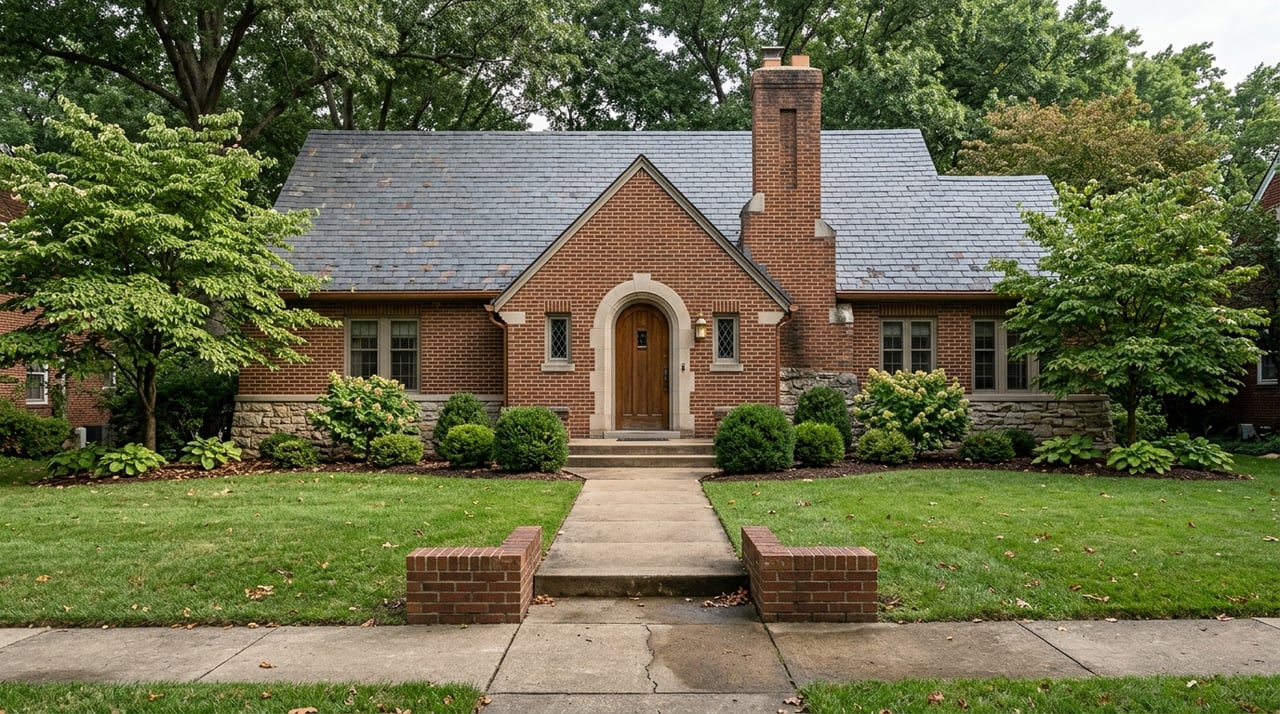
Wondering how to sell a Wawaset Park home without losing the charm that makes it special? If your house has original windows, detailed trim, or classic Tudor, Georgian, or Gothic-inspired design, you may be asking the same question many Wilmington sellers do: what should you update, what should you preserve, and how should you price it? This guide will help you focus on the steps that matter most in Wawaset Park, from prep and pricing to disclosures, inspections, and timing. Let’s dive in.
Why Wawaset Park charm matters
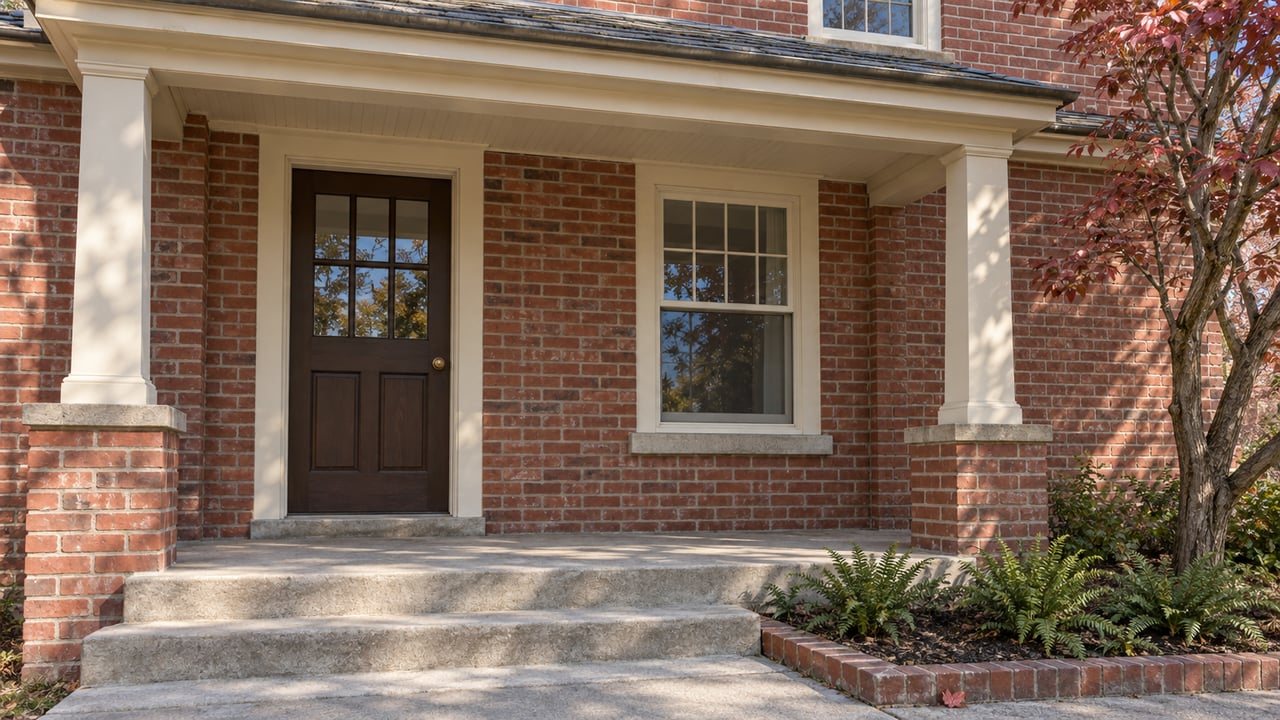
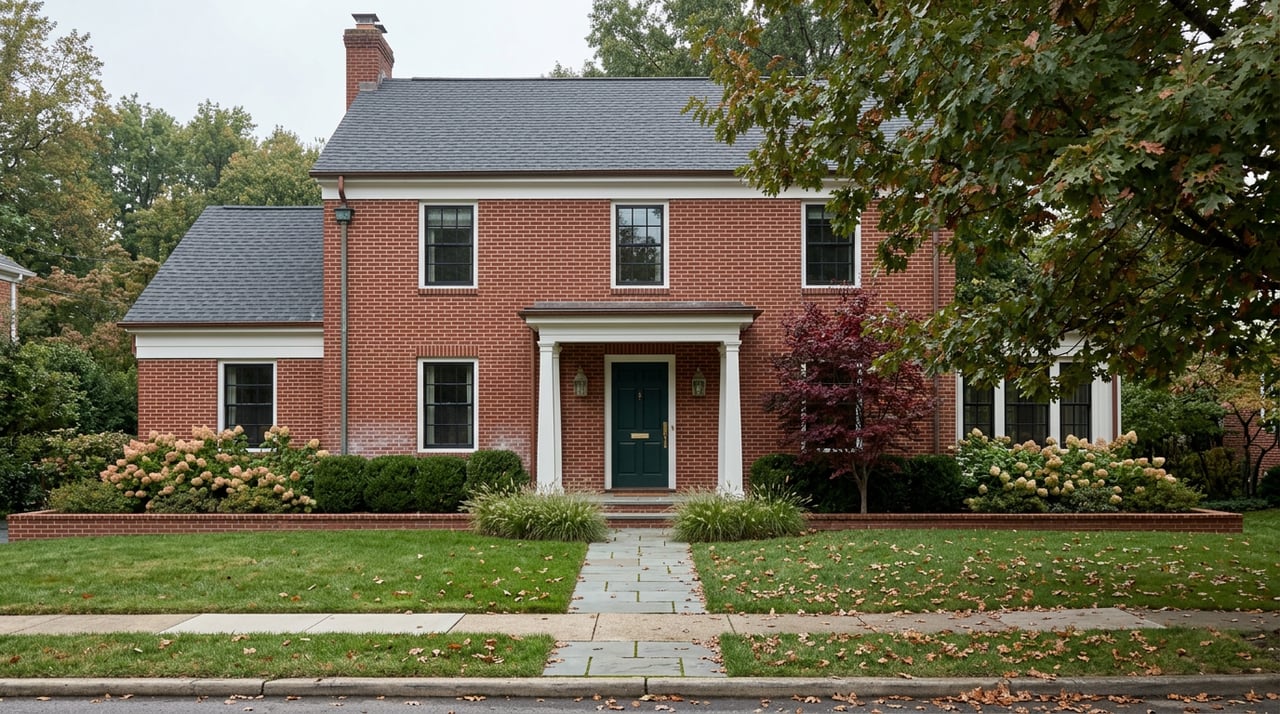
Wawaset Park is a National Register historic district in Wilmington, bounded by Pennsylvania Avenue, Woodlawn Avenue, Seventh Street, and Greenhill Avenue. It is known for early 20th-century revival-style homes, curving streets, and planned landscape design. That historic identity can be a real asset when you sell because buyers often respond to homes with a clear sense of character and architectural integrity.
At the same time, historic charm works best when it is paired with solid maintenance and realistic expectations. Buyers may love original details, but they also want confidence that the roof, plumbing, electrical, and HVAC systems have been cared for. In this neighborhood, the strongest listing story is usually a mix of preserved features, documented upkeep, and smart pricing.
Preserve character before replacing
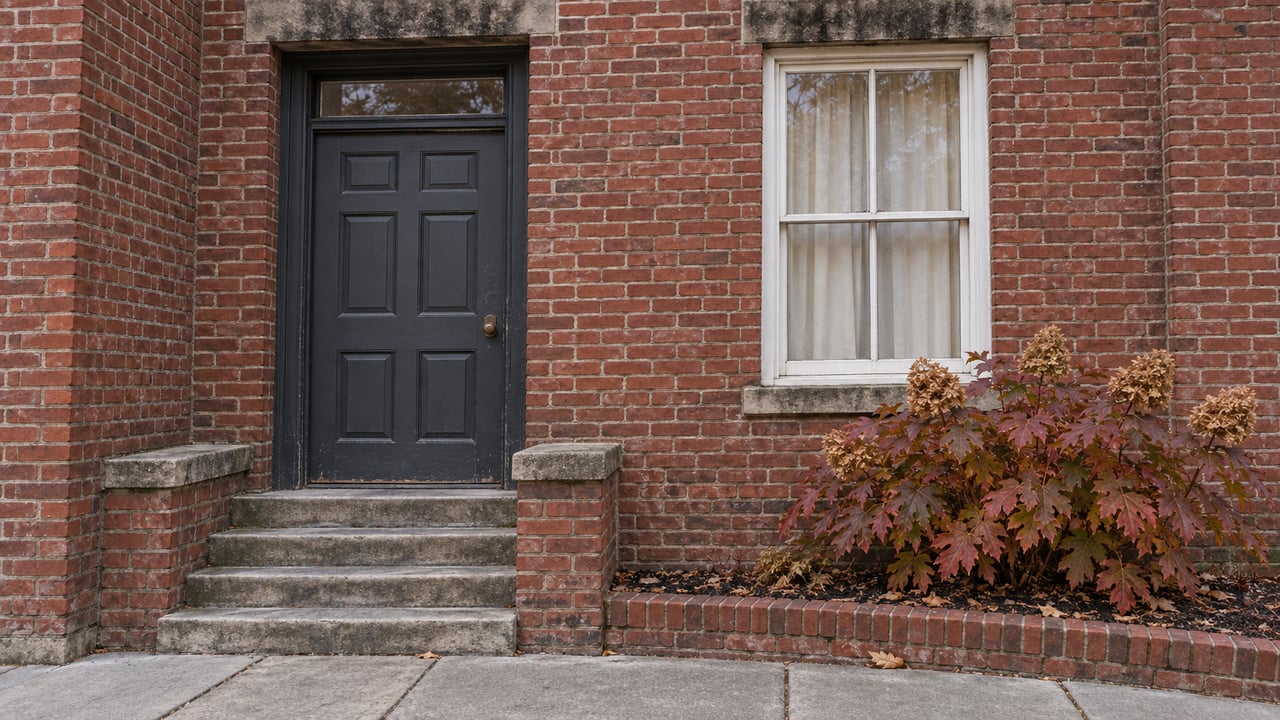
If you are preparing a Wawaset Park home for sale, a maintenance-first plan usually makes more sense than a full style overhaul. Preservation guidance emphasizes retaining historic character and repairing original features when possible rather than replacing them. That is especially important for visible elements like windows, doors, trim, and stair details.
Instead of stripping out older features, focus on making them shine. Clean, repair, and highlight the details that define the home’s look. Buyers should be able to notice the craftsmanship as soon as they walk in.
Focus on practical pre-listing work
Before listing, prioritize updates that improve condition and reduce buyer concerns. In an older home, small deferred issues can quickly raise questions during showings, inspections, and negotiations.
A solid pre-listing checklist may include:
- Fix leaks or moisture issues
- Service HVAC, plumbing, and electrical systems
- Address roof maintenance concerns
- Refresh interior or exterior paint where needed
- Tidy landscaping and improve curb appeal
- Repair worn but salvageable historic details
This kind of work supports value without taking away the home’s original appeal.
Stage to showcase original features
Staging should support the architecture, not compete with it. Oversized furniture, heavy decor, or trendy finishes can distract from original moldings, windows, fireplaces, and room proportions.
Keep staging simple, bright, and scaled to the space. If your home has standout details, arrange each room so buyers can easily notice them. In a historic home, those details are part of the value story.
Price from comps, not headlines
Pricing can be tricky in Wawaset Park because it is a small district with limited active inventory. As of April 2026, Realtor.com reported only four homes for sale in the neighborhood, and neighborhood-specific median price and days-on-market data were not available. That means sellers should be careful about relying on broad averages or one standout sale.
For broader context, Wilmington showed a median listing price of $309,900 and 28 median days on market in May 2026 on Realtor.com, while Redfin’s three-month snapshot ending in May 2026 showed a $239,856 median sale price and 49 days on market. Since those figures use different methods and time windows, the safest takeaway is this: well-priced homes may move in about a month to seven weeks, but unique historic homes can take longer if condition or pricing is off.
What buyers and appraisers look at
In a neighborhood like Wawaset Park, your price should reflect the home itself. Condition, design, lot, updates, and overall appeal all matter, especially when truly close comparable sales are limited.
If appraisers have to work with older or less-than-perfect comparable sales, they can still complete the valuation, but the best support comes from homes that are similar in design and appeal. For you as a seller, that means preserved character, documented maintenance, and fewer deferred repairs usually create a stronger pricing case than aiming for the highest headline number in the area.
Prepare for disclosures early
Delaware requires sellers of residential property to disclose known material defects in writing before the listing agreement and to update that disclosure as needed before final settlement. Prospective buyers must receive the disclosure before making an offer. The form is important, but it is not a warranty and it does not replace inspections.
For older homes, early preparation can save time later. Gather repair records, maintenance receipts, and any information you have about known issues before your home goes live. That helps you answer questions clearly and avoid last-minute scrambling.
Lead paint and radon matter
If your home was built before 1978, federal lead-based paint disclosure rules likely apply. Sellers must disclose known lead-based paint information before the sale or lease of most pre-1978 housing.
Delaware sellers must also provide notice about radon and disclose any known radon information in their possession. If you already have reports, test results, or related documents, keep them organized and ready to share.
Expect inspections to be detailed
Historic homes often attract buyers who appreciate character, but they also tend to raise more inspection questions. A standard home inspection generally looks at visible systems and components such as the roof, foundation, walls, ceilings, windows, electrical, HVAC, plumbing, attic, insulation, floors, structure, and basement conditions.
However, a general inspection does not cover everything. It does not determine the presence or risk of pests, asbestos, lead, mold, or similar environmental hazards. If a buyer has a specific concern, specialist follow-up may come into play.
Why timing can stretch
Inspection and appraisal timing can affect your closing schedule, especially with an older or more distinctive home. Buyers often schedule inspections quickly so there is time to negotiate repairs or credits if needed.
If major issues come up, lender requirements can sometimes add another layer before closing. That is one reason sellers in Wawaset Park benefit from addressing obvious maintenance concerns upfront whenever possible.
Appraisals may need extra context
Appraisals for historic homes can take a little more patience. The process often takes anywhere from a few days to a few weeks, and homes with sparse comparable data or unique features are a better fit for traditional appraisals.
In Wawaset Park, an appraiser may need extra time to explain comparable choices and adjustments. This does not mean your home cannot support value. It means your pricing and presentation should be grounded in what the house actually offers, including condition, upkeep, and architectural character.
Should you renovate before listing?
Not always. In many Wawaset Park sales, careful repairs and cosmetic refreshes do more for the outcome than a major pre-sale renovation. If you are thinking about larger rehabilitation work, Delaware’s Historic Preservation Tax Credit Program may be relevant for qualifying properties listed in the National Register or certified as contributing to a listed district when the work meets required standards.
Still, eligibility and program rules can change. Treat that as a verify-before-you-budget item, not as a guaranteed benefit. For many sellers, the better move is to make targeted improvements that support marketability without overcomplicating the timeline.
A smart selling plan for Wawaset Park
If you want to sell a Wawaset Park home well, think in three lanes: preserve what gives the home identity, document what supports buyer confidence, and price based on evidence. That approach respects the property, meets the market where it is, and helps reduce friction during negotiations.
A practical next-step plan looks like this:
- Walk the home with a critical eye for deferred maintenance
- Gather records for repairs, servicing, and updates
- Review disclosures early, including any known radon or lead information
- Stage rooms to highlight original architectural details
- Price from comparable sales with close attention to condition and design
- Build extra time into your timeline for inspection and appraisal questions
Selling a historic home is not about making it look like every other listing. It is about helping buyers see why this home stands apart, while giving them confidence in its condition and value. If you are thinking about selling in Wawaset Park, Harrison Properties Ltd can help you create a practical plan built around local knowledge, careful pricing, and clear next steps.
FAQs
What makes a Wawaset Park home different to sell?
- Wawaset Park homes often have historic architectural details, limited directly comparable listings, and older systems that can make prep, pricing, inspections, and appraisals more nuanced.
How should you price a historic home in Wawaset Park?
- Price from recent comparable sales with close attention to condition, style, lot, maintenance, and updates rather than relying on a neighborhood average or a single high sale.
What repairs should sellers make before listing a Wawaset Park home?
- Focus first on leaks, moisture, roof issues, mechanical servicing, paint, landscaping, and repairable original features that support both appearance and buyer confidence.
Do sellers in Delaware need to disclose issues before listing?
- Yes. Delaware requires sellers of residential property to disclose known material defects in writing before the listing agreement and to update that disclosure as needed before settlement.
What should sellers know about lead paint in older Wilmington homes?
- If a home was built before 1978, sellers generally must disclose any known lead-based paint information before the sale of most residential property.
Can a Wawaset Park appraisal take longer than usual?
- Yes. Historic homes with unique features or limited comparable sales may need a more traditional appraisal process and extra time for valuation support.